Introduction
The Gastli family is a notable example of the enduring legacy of al-Andalus in North Africa and beyond. With roots deeply embedded in the Iberian Peninsula, the family’s history is a compelling narrative of migration, cultural preservation, and adaptation across centuries. This report provides a comprehensive overview of the Gastli family’s origins, their dispersal to Tunisia, Morocco, and other regions, and highlights some of their most prominent historical and contemporary figures.
Etymology and Origins in al-Andalus
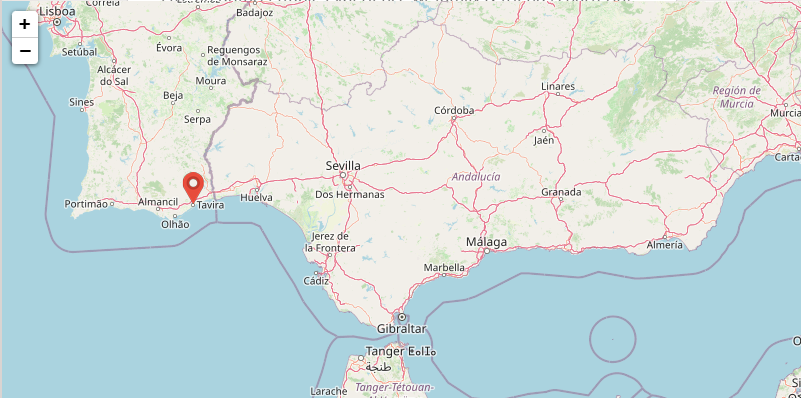
The surname Gastli, and its Arabic variations al-Qastali and al-Qustali, originates from a specific geographic location in al-Andalus. The name is a toponymic surname, derived from the village of Qastalat Darraj (قسطلة دراج) in western Andalusia [1].
The family’s lineage is traced back to the renowned Andalusian poet Abu Umar Ahmad ibn Muhammad ibn Darraj al-Qustali (347-421 AH / 958-1030 CE) [2].
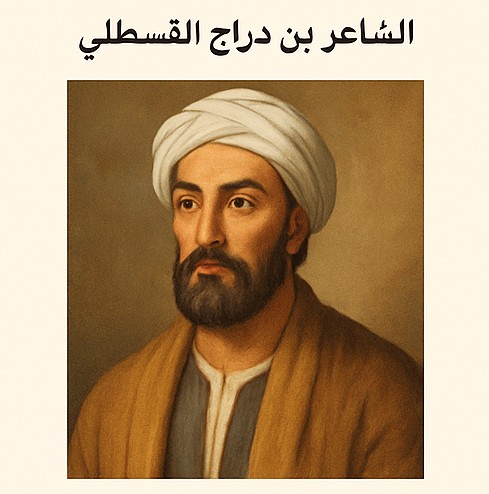
Ibn Darraj al-Qustali was a prominent figure in the court of the de facto ruler of the Umayyad Caliphate of Cordoba, al-Hajib al-Mansur. He was of Berber origin from the Sanhaja tribe and was celebrated as one of the greatest poets of his time, often compared to the famous poet al-Mutanabbi of the Levant [3]. The family’s name, therefore, carries a significant cultural and historical weight, linking them to the golden age of al-Andalus.
The Andalusian Diaspora: Migration to North Africa
The Gastli family, like many other Andalusian families, was part of the large-scale migrations from the Iberian Peninsula to North Africa.
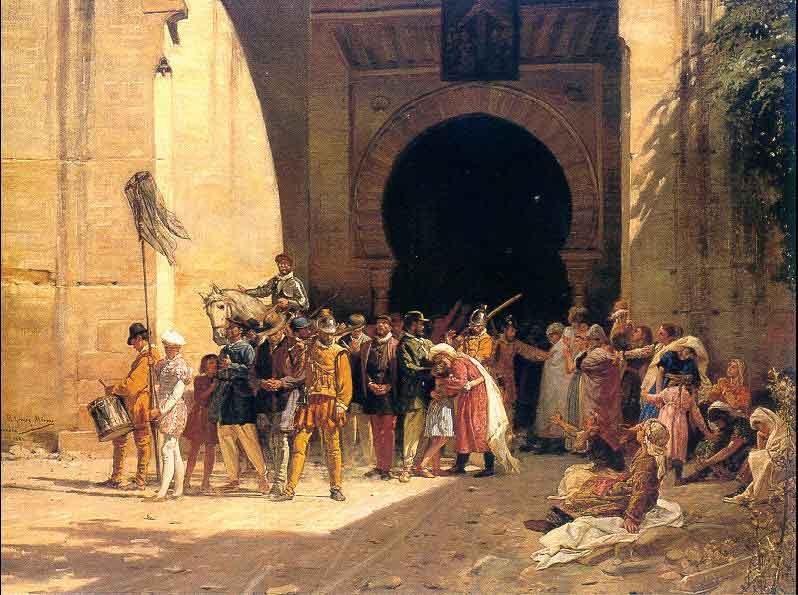
These migrations occurred in several waves, primarily driven by the Reconquista and the subsequent persecution of Muslims in Spain. The main waves of migration to Tunisia were:
- First Wave (after 1212): Following the defeat of the Almohads at the Battle of Las Navas de Tolosa.
- Second Wave (1492): After the fall of Granada, the last Muslim kingdom in Iberia.
- Third and Fourth Waves (1568-1614): Following the failed Morisco revolts and the final expulsion of the Moriscos from Spain [4].
These migrations brought a significant number of Andalusian families to Tunisia, Morocco, and other parts of the Ottoman Empire, where they established new communities and contributed significantly to the cultural, social, and economic life of their new homelands.
The Gastli Family in Tunisia
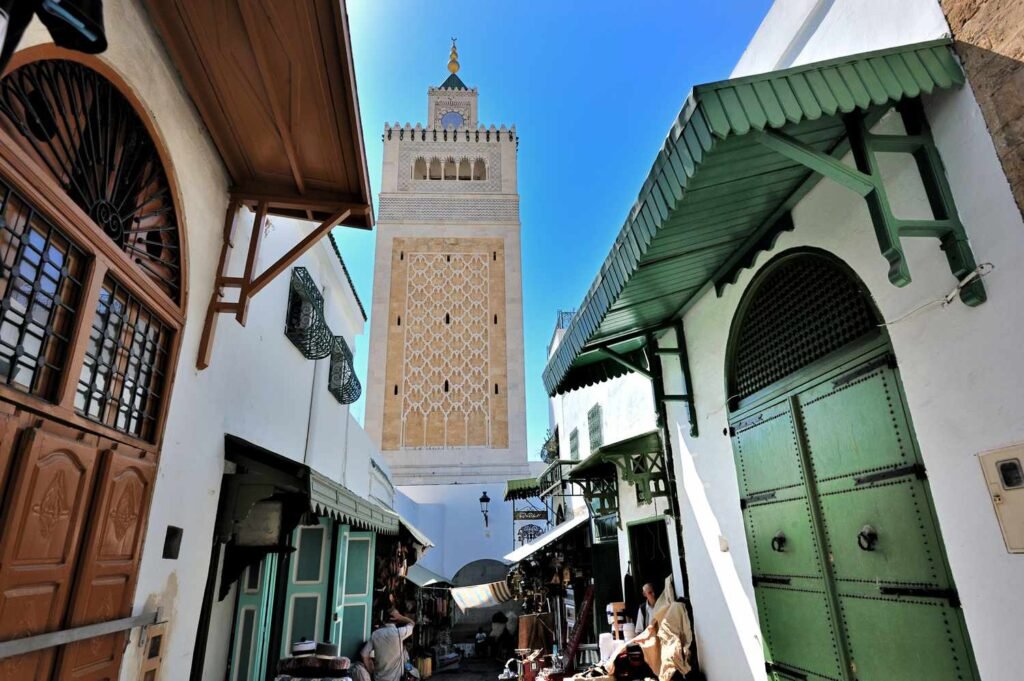
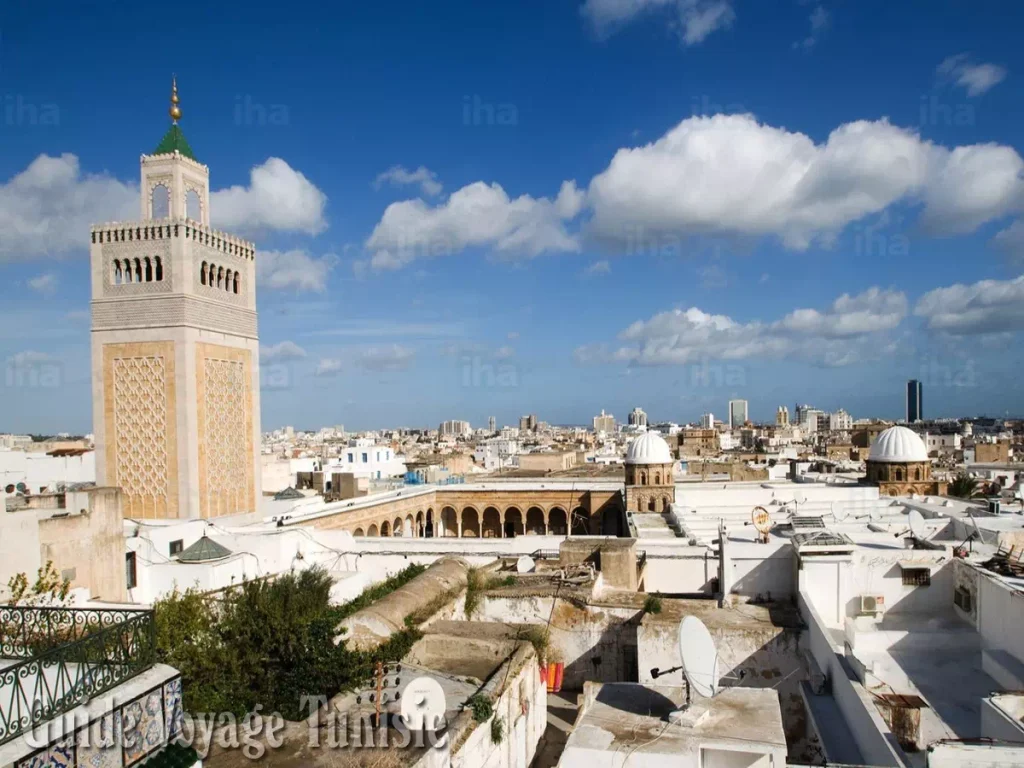
Tunisia became a major center for the Gastli family, where they established themselves as a prominent and influential lineage. The family is found in several Tunisian cities, including Nabeul and Tunis [5].
Historical Figures in Tunisia
- Sharif Sulayman al-Qustali (الشريف سليمان القسطلي): An 18th-century figure of great influence in Tunis. Originally from Qal’at al-Nahr in the province of Madrid, his family name was Cantareras. He was a major naval warrior (corsair) and had hospitals in the capital [6]. He is also noted for having helped the Lakhwa family, descendants of the Siraj family of Granada, to settle in Tunisia [6].
- Sheikh al-Qustali (شيخ القسطلي): Mentioned as one of the founders of the city of Zaghouan, a major center for Andalusian refugees in Tunisia [7].
- Muhammad Qastali (محمد قسطلي): Died in 1849 CE and is listed by the historian Ibn Diyaf as one of the notable Andalusian figures in 19th-century Tunisia [6].
Contemporary Figures in Tunisia
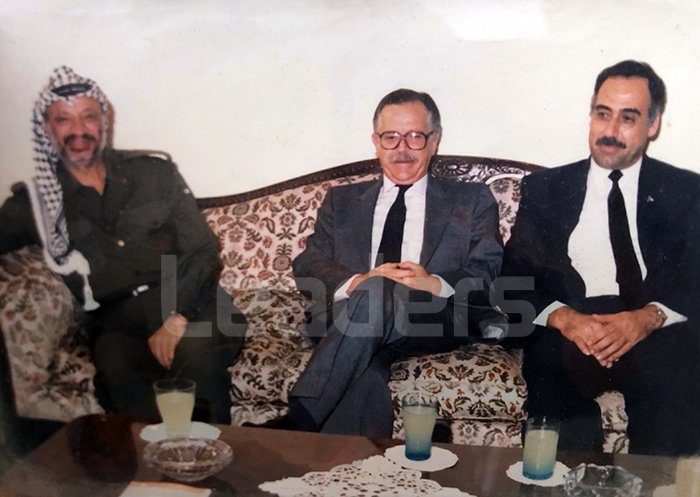
- Ilyas al-Qastali (إلياس القسطلي / Lyes Gastli): A prominent contemporary figure from Nabeul, Tunisia (1931-2020). He was a former Tunisian ambassador, a member of parliament, and a significant figure in Tunisian sports and diplomacy. His career included serving as the Head of the Cabinet of the Minister of Interior and President of the Stade Nabeulien sports club [8] [9].
The Gastli Family in Morocco
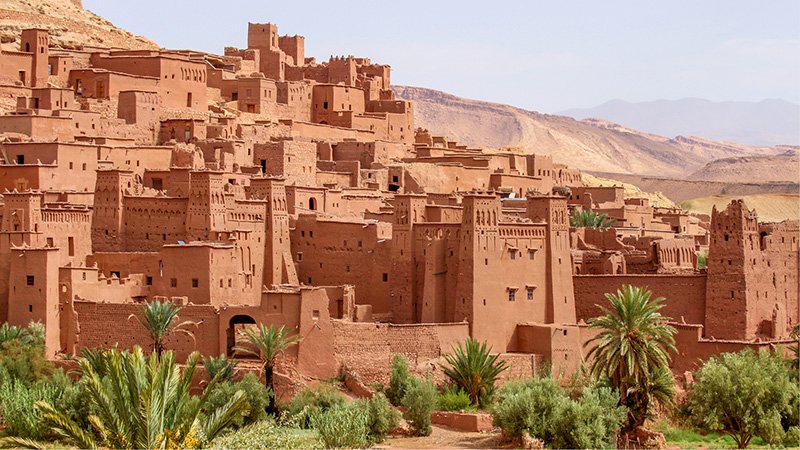
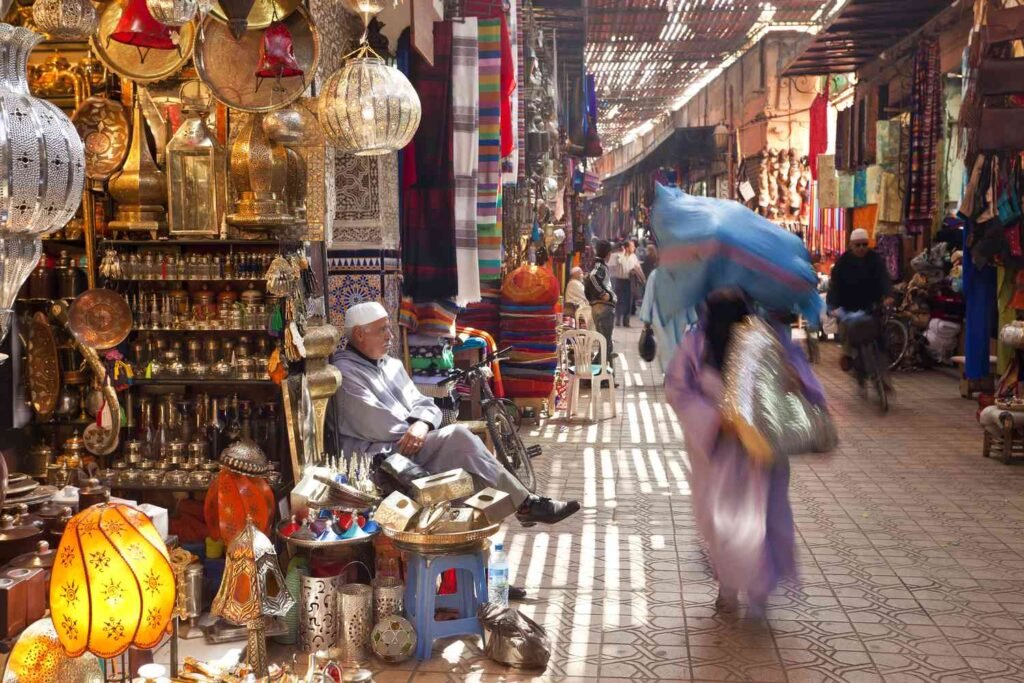
Morocco was another major destination for Andalusian refugees, and the Gastli family established a significant presence there, particularly in Marrakech.
Abu Amr al-Qustali of Marrakech (أبو عمرو القسطلي)
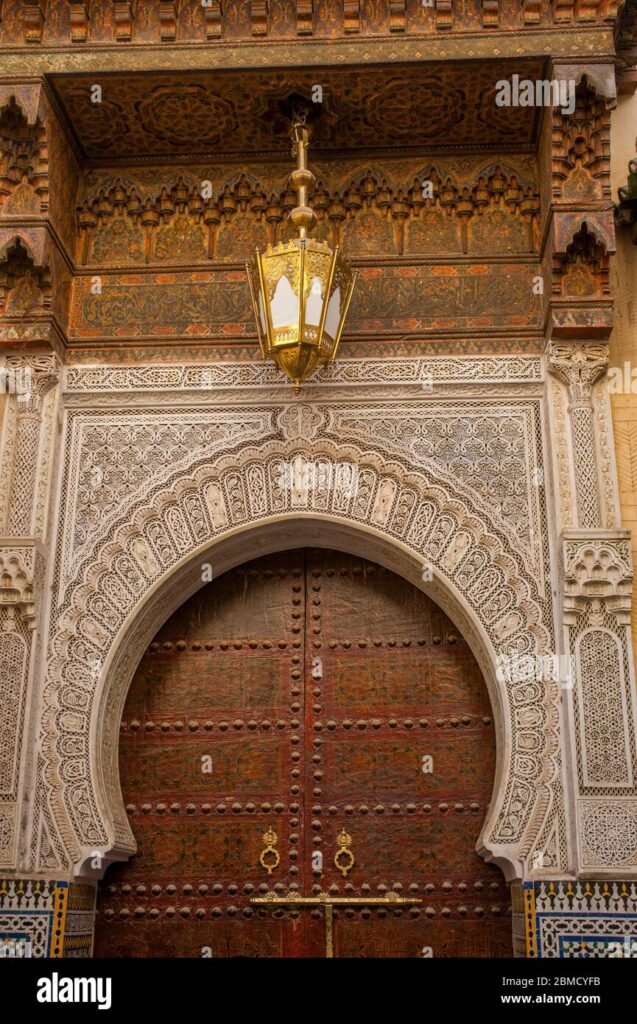
Abu Amr ibn Ahmad al-Amin ibn Qasim al-Qustali al-Marrakshi (912-974 AH / 1506-1566 CE) was a major Sufi figure in Marrakech and a descendant of the poet Ibn Darraj al-Qustali [2]. He founded the influential Bu’amriya Zawiya (الزاوية البوعمرية), which became a major center for religious education, Sufi practice, and social welfare. The zawiya was known for its extensive charitable work, including providing food and lodging for students and the needy, and it played a significant role in the social and political life of Marrakech during the Sa’adian dynasty [2]. The family’s legacy continues in Marrakech to this day, with the area around the zawiya known as Darb Sidi Bu Amr.
The Gastli Family in Other Regions
The Gastli family’s diaspora also extended to other parts of the Middle East. Historical sources indicate the presence of the family in:
- Palestine: The surname القصطلي is listed among the Andalusian-origin families in Nablus [10].
- Syria: The surname is also found in Aleppo [11].
This indicates a wider dispersal of the family throughout the Ottoman Empire, likely as part of the broader Morisco diaspora.
The Gastli Family in the Modern Era: A New Generation of Influence
The legacy of the Gastli family continues to thrive in the 21st century, with a new generation making significant contributions across a diverse range of fields, including academia, business, medicine, and the arts. This section highlights some of the prominent members of the Gastli family in the modern era, showcasing their achievements and influence in Tunisia and on the global stage.
Education, Research, and Engineering
The Gastli family has a strong presence in academia and engineering, with several members achieving international recognition for their work.
In Tunisia, Kahena Gastli Abdelmoula, a graduate of the Université de Tunis – El Manar, has contributed to scientific research in geology with her work on phyllosilicates. Narjess Gastli Lassoued, born in Nabeul in 1956, is a researcher at INRAT (Institut National de la Recherche Agronomique de Tunisie) specializing in animal production and forage research, with a degree in Natural Sciences from the Faculty of Sciences of Tunis.
Nedra Gastli Khaddar is a distinguished Professor of Mathematics (Professeur principale, hors classe et émérite), recognized for her excellence in mathematical education and featured on national television programs. Rim Gastli-Khaddar, educated at the École Normale Supérieure (ENS) in Tunisia, served as a high school Professor of Natural Sciences. Ramla Gastli was a high school Professor of Mathematics. Abdelaziz Gastli was also a high school Professor of Mathematics, contributing to the family’s strong educational tradition.
The family’s academic and engineering prowess extends globally.
Adel Gastli is a leading figure in electrical engineering and renewable energy. A co-founder of MUST University in Tunisia and a Professor at Qatar University, he has an extensive academic and professional background, including a Ph.D. from Nagoya Institute of Technology, Japan, and roles at Mitsubishi Electric Corporation and Sultan Qaboos University. He is a highly cited researcher, ranked among the top 2% of scientists worldwide by Stanford University, with over 168 publications and 6,200 citations. His research focuses on power electronics, electric vehicles, smart grids, and renewable energy, and he is a Senior IEEE member and an ABET Program Evaluator.
Leila Gastli, a Teaching Assistant in Computer Engineering at Qatar University and a graduate of the prestigious ETH Zurich, focuses on biomedical engineering, representing the family’s continued commitment to education at the university level.
In Canada, Mohamed Sadok Gastli, a graduate of the University of Waterloo, is pursuing his PhD in Geomatics at Laval University as of January 2026, specializing in deep learning and computer vision for remote sensing.
The engineering field also includes Haifa Gastli, a creative 3D Generalist and XR Developer based in France with over four years of experience in immersive real-time environments using Unity C#. Yasmine Gastli (Civil Engineer) specializes in hydraulic and environmental modeling in Nabeul, while another Yasmine Gastli works as a product manager in the pharmaceutical industry. In information technology and software engineering, the family demonstrates strong technical expertise. Dorra Gastli, a graduate of HEC Paris, has evolved through various roles including developer, technical reference, and Scrum Master, currently working at Capgemini in Toulouse, France. Mortadha Gastli studied Management Information Systems (Informatique De Gestion) at the Faculté des Sciences de Tunis. Other notable figures include Mouna Gastli, a consultant in AI and hyper-automation; Malek Gastli, a mechanical engineer at LATECOERE TUNISIA;
Business and Entrepreneurship
In the business world, the Gastli family has demonstrated a strong entrepreneurial spirit.
Mohamed Gastli, a Grammy-nominated chemical engineer, is the co-founder and CEO of nextProtein, a groundbreaking AgriTech company. Along with his wife and co-founder, Syrine Chaalala, he has built a company that produces sustainable insect-based protein for animal feed. In November 2025, nextProtein secured €18 million ($20.7M) in Series B funding, a testament to its innovative approach to tackling resource scarcity. The company has a major production facility in Tunisia and is expanding internationally, including a significant investment in Mexico.
In Qatar, Kaouther Gastli is the Social Media Editor at Gulf Times, Qatar’s leading English newspaper, and is pursuing a Master’s in Business Analytics at Northumbria University. Other business ventures include Inas Gastli, a successful businesswoman in the import and marketing sector, and Gastli Distribution, a wholesale distribution company based in Nabeul. The family also includes several other professionals in various business sectors across Tunisia and internationally.
Medical Professionals
The Gastli family has a long and distinguished history in the medical and pharmaceutical fields, with numerous practitioners serving communities across Tunisia, Portugal, and beyond.
Dr. Mondher Gastli is a highly respected specialist in internal medicine and infectious diseases in Tunis, formerly an assistant at the Faculty of Medicine of Tunis. Dr. Farouk Gastli is a pulmonologist in Nabeul, and Dr. Mohamed Gastli is a medical specialist in the Nabeul governorate.
In the pharmacy sector, the family holds prominent positions. Ghassen Gastli serves as the President of CNOPT (Conseil National de l’Ordre des Pharmaciens de Tunisie), the National Council of the Order of Pharmacists of Tunisia, representing the entire pharmacy profession in the country. He also owns and operates Pharmacy Ghassen Gastli in Jendouba. The family also includes Pharmacist Lotfi Gastli and a pediatric practice, Gastli Pédiatre, both in Nabeul.
The family’s pharmaceutical expertise extends internationally. Nabil Gastli, a PharmD and clinical microbiologist based in Paris, is a highly accomplished researcher at the Centre Hospitalier Sud Essonne and Hôpitaux Universitaires La Pitié-Salpêtrière (AP-HP). A graduate of Université Paris Descartes, he has published 23 research works with over 405 citations, focusing on pneumonia diagnostics, COVID-19 testing, and antimicrobial resistance. His notable publications include the multicentric evaluation of the BioFire FilmArray Pneumonia Panel and innovative work on saliva-based molecular diagnostics.
In Portugal, the family has established a strong presence in pharmacy. Hazem Gastli holds a PharmD and completed his MSc in Pharma and Biotech Management at EADA Business School in Barcelona, working with FRESCI – Human Health Innovation. Hamza Gastli is a practicing pharmacist at Farmácia Ferreira da Silva in Porto, having graduated from the Instituto Politécnico de Saúde do Norte.
The family also includes Amel Gastli, a dentist. The next generation of medical professionals is also emerging, with Asser Gastli currently pursuing his medical studies at the Faculté de Médecine de Monastir in Tunisia.
Arts and Culture
The family’s creative legacy, dating back to the poet Ibn Darraj al-Qustali, continues with contemporary artists.
Jellel Gasteli is an internationally acclaimed photographer and visual artist. A graduate of the École Nationale de la Photographie in Paris, his work explores his bicultural Franco-Tunisian identity. His photographs are part of prestigious collections, including the Solomon R. Guggenheim Museum in New York and the Arab World Institute in Paris. He is represented by the Selma Feriani Gallery in Tunis and London.
Nacim Gastli is a music producer and DJ based in Paris, with a growing following on Soundcloud and Spotify.
Legal Profession
Leila Gastli is an attorney at law (Avocat à la Cour) practicing in Paris. A graduate of the University of California, Hastings College of the Law, she represents the family’s presence in the international legal field.
Historical Note
It is also worth noting the historical figure of Al-Shadhili al-Qastali (1882-1953), the first Tunisian journalist to be assassinated. He was the founder of the influential newspaper “An-Nahda” and a prominent media figure of his time.
This new generation of the Gastli family, with its diverse talents and achievements, continues to build upon a rich Andalusian heritage, making a lasting impact in Tunisia and around the world.
Conclusion
The history of the Gastli family is a rich tapestry that reflects the broader history of the Andalusian people. From their origins in the village of Qastalat Darraj and their connection to the great poet Ibn Darraj al-Qustali, the family has left a lasting legacy in the various countries where they settled. In Tunisia, they were influential figures in politics, diplomacy, and social development. In Morocco, they established a major spiritual and social institution that continues to this day. The presence of the family in Palestine and Syria further highlights the extent of their diaspora. The Gastli family’s story is a testament to the resilience and enduring cultural identity of the Andalusian people, who, despite being exiled from their homeland, continued to thrive and contribute to the societies that welcomed them.
References
[1] Facebook – Morisco Families Guide. (n.d.). Facebook. Retrieved from https://www.facebook.com/100064023076365/posts/
[2] Bami, J. (n.d.). Abu Amr al-Qustali. Arrabita.ma. Retrieved from https://www.arrabita.ma/museums_cartes/cartes/marrakech/pages%20web/chawiya/أبو%20عمرو%20القسطلي.html
[3] Wikipedia. (n.d.). Ibn Darraj al-Qastalli. Retrieved from https://en.wikipedia.org/wiki/Ibn_Darraj_al-Qastalli
[4] España en Árabe. (2025, May 24). Andalusian Origins of Tunisian Surnames. Retrieved from https://espanaenarabe.com/الأصول-الأندلسية-للألقاب-التونسية/
[5] Forebears.io. (n.d.). Gastli Surname. Retrieved from https://forebears.io/surnames/gastli
[6] Al-Kattani, A. M. (n.d.). The Revival of Islam in Andalusia. (As cited in a forum post on dd-sunnah.net). Retrieved from https://www.dd-sunnah.net/forum/showthread.php?t=72058
[7] Facebook – Andalusian Names in Tunisia. (n.d.). Facebook. Retrieved from https://www.facebook.com/100063684781657/posts/
[8] Nessma TV. (2020, December 15). Death of former ambassador Ilyas al-Qastali. Retrieved from https://www.nessma.tv/ar/سياسة/actu/وفاة-السفير-السابق-إلياس-القصطلي/269033
[9] Nabeul Zaman. (2020, December 15). Facebook Post. Retrieved from https://www.facebook.com/nabeulzamen/posts/رحم-الله-ابن-نابل-و-رجل-الدولة-فقيد-الرياضة-و-الدبلوماسية-التونسية-الياس-القسطلي/692023141705156/
[10] Facebook – Nablus Families. (n.d.). Facebook. Retrieved from https://www.facebook.com/groups/224719697186428/posts/713905258267867/
[11] Facebook – Aleppo Families. (n.d.). Facebook. Retrieved from https://www.facebook.com/100064690806689/posts/قسطلي-لقب-عائلة-حلبية-نرجو-من-أفرادها-تعريفنا-بالعائلة-وسبب-التسمية-وأبرز-أعلامه/1934030746647784/ ’’